
Where the nest is: chimney
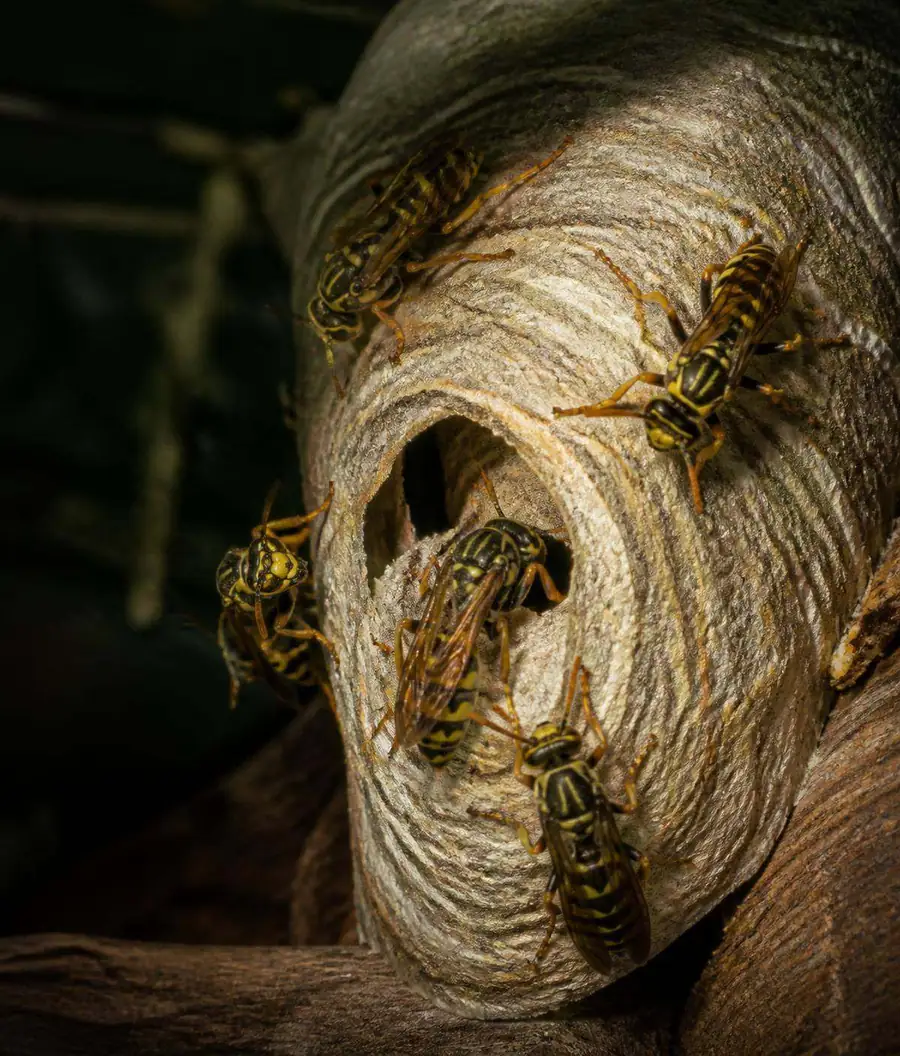
Wasp nest in a chimney
Old chimney stacks on Victorian terraces in Jericho and east Oxford, and disused flues on Cotswold stone cottages further out, are prime real estate for wasps. Here's what's actually going on and why the fireplace is not the place to fight back.
Message us on WhatsApp for the fastest response. A photo is useful but not required — we have treated every nest type and location countless times.
Appointments available today
- 4.8 on Google
- Same-day service
- Best price locally, fully guaranteed
- Free revisit guarantee
2,000+
Nests treated
A chimney is essentially a tall, dry, sheltered cavity that's rarely used between April and October — exactly when a queen wasp is looking for somewhere quiet to start a nest. Unused flues, capped-off fireplaces, and disused pots are all common sites. The nest itself typically forms partway down the flue, in the void behind a chimney breast, or occasionally right down near the fireback if the fireplace hasn't been used in years.
The two signs that give it away
First is sound: a dull, resonant buzzing carried down the flue into the room, often more noticeable than a loft nest because brick and masonry actually amplify it. Second is debris — small greyish flakes of chewed wood pulp (the material wasps build nests from), plus the occasional dead wasp, collecting in the grate or on the hearth. If you're getting both, you almost certainly have an active nest somewhere in that flue or chimney breast void.
Do not light a fire, use smoke, or pour anything down the flue
We say this every single week in season: never attempt to smoke out or burn a wasp nest in a chimney. Fire draws air upward and heats the void, agitating the colony rather than driving it away, and if the nest itself catches or smoulders you risk a blocked, smoking flue and a room full of defensive wasps rather than a solved problem. It's also a genuine fire risk if there's dry nest material anywhere near the flue liner.
Open flue vs capped chimney vs wood burner
An open, unused flue with a chimney pot is the most common setup we treat — wasps fly straight in and out of the pot, and we can dust the nest from above without disturbing the room below. A chimney that's been capped at the top but still has an open fireplace below is different again: if the cap has failed or was never fitted, wasps get in exactly the same way, but a capped flue with a solid seal usually means the nest, if there is one, is actually in the cavity behind the breast rather than the flue itself.
Wood burners complicate things because most have a stainless liner running inside the original brick flue, leaving a narrow air gap between liner and brickwork. Wasps sometimes nest in that gap rather than in the liner itself, entering through mortar joints higher up the stack. We check which situation we're dealing with before choosing where to treat from, which is why a phone description of what you're seeing and hearing helps us prepare before we arrive — see our signs of a nest guide for what to note down.
Typical location
Partway down an unused flue, or in the void behind the chimney breast
Key sign
Debris and dead wasps falling into the grate, plus a resonant buzzing sound
Fire risk
Never attempt to burn or smoke out a nest in a chimney or flue
Best long-term fix
A mesh cowl or cap fitted once the nest is confirmed dead
What happens after treatment
We treat the entry point with insecticidal dust so returning wasps carry it back into the nest itself, which usually settles activity within a day. We won't advise using the fireplace again until the colony is confirmed dead, and if debris continues to build up in the grate afterwards it's worth a follow-up call — this is covered under our free revisit guarantee. Once it's clear, fitting a cowl to a genuinely unused flue is the single best way to stop it happening again; see prevention advice for other entry points worth checking at the same time. If you've also got activity in the loft above the same chimney breast, our loft nest guide covers that separately.
Frequently asked questions
- Why can't I just light a fire to smoke them out?
- Burning a nest inside a chimney is one of the worst things you can do. Dead insects, wax and paper nest material can smoulder and block the flue, and a wave of angry surviving wasps will come down into the room, not up the chimney.
- Debris keeps falling into my fireplace, what is it?
- Bits of grey, papery material and dead wasps falling into the grate or hearth is a classic sign of a nest built somewhere in the flue or the void behind the chimney breast. It's usually old nest material breaking away as the colony grows.
- Does a chimney cap or cowl stop this happening?
- A properly fitted cap or mesh cowl on an unused flue is one of the most effective preventions, since it blocks the main entry route while still allowing the flue to breathe. Details are on our <a href='/prevention.html'>prevention page</a>.
- Is it different if I have a wood burner rather than an open fire?
- The nest itself is treated the same way, but a wood burner with a sealed flue liner sometimes means the nest is actually in the gap between the liner and the original brick flue rather than in the burner's own flue, which changes where we treat from.
- Can I just block the fireplace with a sheet until you arrive?
- Please don't block it airtight — loosely covering the opening to stop wasps entering the room is fine, but a fully sealed chimney with an active nest and no other way out can force wasps to find another gap into the house instead.
- How is a chimney nest actually treated?
- We treat from the appropriate access point — usually the pot or an external entry gap in the brickwork — using insecticidal dust so we're not sending a technician into a live flue. Full method on our <a href='/treatment.html'>treatment page</a>.
Related guides
We treat nests like this across Oxfordshire
Same-day wasp nest treatment for a fixed £109, including these areas:
Nest active? Don't leave it.
Buzzing or debris in the chimney? Don't light a fire — call us for same-day treatment for a fixed £109.
Call 01865 477311