
What if I do nothing?
What happens if you leave a wasp nest untreated
A month-by-month picture of what an active nest actually does to your garden, your loft, and your risk of a sting — and why the nest itself is never reused.
Message us on WhatsApp for the fastest response. A photo is useful but not required — we have treated every nest type and location countless times.
Appointments available today
- 4.8 on Google
- Same-day service
- Best price locally, fully guaranteed
- Free revisit guarantee
2,000+
Nests treated
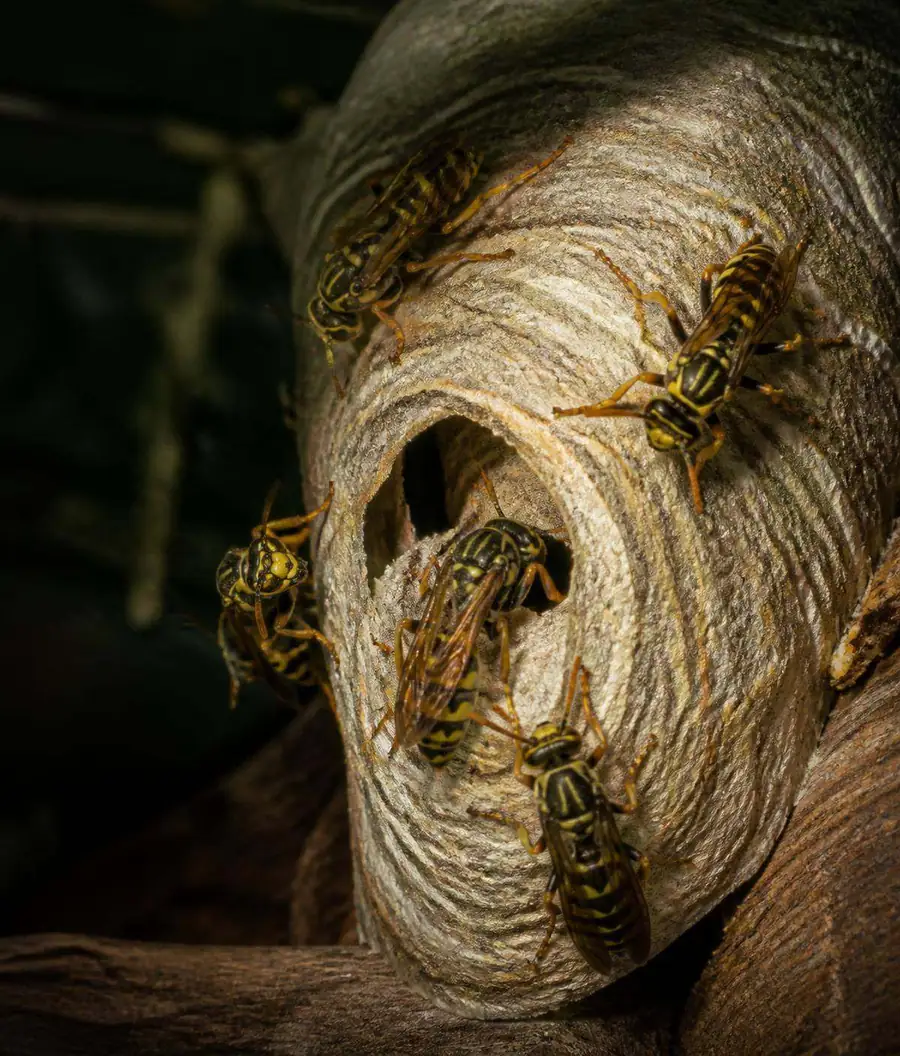
"It's outside, it's not bothering anyone, can I just leave it?" comes up constantly, especially with nests found tucked into a shed roof or a garden wall away from the back door. The honest answer depends entirely on when you're asking, so here's what actually happens across a season if nothing is done.
Spring to early summer: quiet growth
A nest founded by a single queen in April or May starts small and stays relatively low-risk for a few weeks — a handful of workers, limited activity. Left alone, though, it keeps growing steadily. This is the point where treating it is quickest and cheapest, and where our wasp life cycle guide explains exactly what's happening inside the nest at each stage.
Midsummer: the colony peaks
By July and August, a nest that started with one queen can hold several thousand workers. This is when we see the most emergency call-outs — nests disturbed by garden work, hedge trimming, or children playing nearby, with a much larger and more defensive colony than anyone expected.
| Period | Colony state | Practical risk |
|---|---|---|
| April–May | Founding queen, small nest | Low — but cheapest and easiest point to treat |
| June–July | Rapid worker build-up | Rising — nest now defends itself vigorously |
| August | Colony at peak size | Highest — largest number of wasps, most stings occur here |
| September | New queens produced, workers decline | Erratic — drunken, aggressive foraging near food and bins |
| October onward | Colony collapses naturally | Low and falling — nest empties and is abandoned |
Late summer: the "drunken wasp" phase
Once the colony stops producing new larvae, worker wasps lose the sugary secretion the larvae normally provide them with. They go looking for sugar elsewhere — fallen fruit, drinks outdoors, bins — and this is where the stereotype of the erratic, seemingly drunk September wasp comes from. It's also when general household stings spike, even from nests that aren't directly on your own property.
Nests are never reused
Every wasp nest, however large, is abandoned for good once winter arrives. A queen never returns to an old nest — she starts a new one from scratch the following spring, so an empty nest poses no future risk to remove.
What it can do to the building itself
Wasps build nests from chewed wood pulp mixed with saliva, and a large nest inside a loft, chimney, or wall cavity can leave staining, a persistent papery smell, and in extreme cases enough weight or bulk to disturb insulation or loose fittings around it. This matters more in older Cotswold stone and thatched properties, where original fabric is harder and more expensive to make good.
If you've found a nest and you're weighing up whether to act now or wait it out, our guide on when wasps die off gives a clearer steer on the calendar, and our full options guide compares every route from here.
Frequently asked questions
- What happens if I just leave a wasp nest alone?
- Between spring and late summer the colony keeps growing, meaning more wasps and more risk the longer it's left. By autumn the nest naturally declines and dies off on its own.
- Will an old wasp nest be used again next year?
- No. Wasps never reuse an old nest — each spring a new queen starts a fresh one from scratch, often nearby but rarely in the exact same spot.
- Does a wasp nest damage a house?
- It can. Chewed wood pulp used to build the nest, staining from droppings around soffits and chimney breasts, and pressure damage in tight cavities are all things we see on established nests.
- Are wasps more aggressive later in the summer?
- Yes, noticeably. Once the colony stops producing new larvae in late summer, workers lose their food source and start foraging more desperately for sugar, which brings them into gardens and bins in bigger numbers.
- Can I remove a dead nest myself once winter comes?
- Yes, an empty nest with no activity is safe to remove or leave in place — it poses no ongoing risk once the colony has died off.
- Is it cheaper to just wait it out?
- Only if you're discovering the nest in autumn. Earlier in the season, waiting usually means paying for a bigger, more established treatment later, or dealing with an escalated sting risk.
Related guides
We treat nests like this across Oxfordshire
Same-day wasp nest treatment for a fixed £109, including these areas:
Nest active? Don't leave it.
Found a nest and not sure whether to wait? Tell us the date and location and we'll give you a straight recommendation.
Call 01865 477311